Why We’re Growing Tired of Disposable Aesthetics
How Disposable Aesthetics Became the Norm
In contemporary consumer systems, aesthetics are increasingly produced as short-cycle outputs. Design, visual content, and decorative objects are often created to serve a specific phase, release, or trend. Update speed itself becomes part of the value, and novelty turns into the primary measure of relevance.
Within this structure, aesthetics naturally become disposable. They are not expected to endure understanding over time, or build a relationship with duration—only to perform within a limited attention window.
Aesthetic Fatigue Is Not Caused by a Lack of Beauty
As aesthetics are produced at higher and higher frequencies, aesthetic fatigue becomes increasingly common. This fatigue does not result from a lack of beauty, but from oversaturation. Each new presentation consumes attention and raises the threshold for what will be noticed next.
Over time, beauty shifts from something that accumulates into something that is judged once and then replaced.

Aesthetic Inflation and Escalating Stimulation
In highly competitive visual environments, aesthetics begin to experience a form of inflation. To achieve the same level of perception, designs require stronger contrast, clearer statements, and more immediate stimulation. This escalation is not driven by aesthetic evolution, but by repeated depletion of attention.
Once stimulation becomes a requirement, aesthetics are pulled into an accelerating cycle.
How Update Pressure Shapes Design and Choice
Within this system, updating shifts from being optional to becoming an implicit expectation. Brands are expected to release new visuals, creators to refresh their expressions, and individuals to continually replace and upgrade. Remaining static can feel out of sync.
As a result, aesthetics are rarely designed for longevity. They are optimized for immediate effectiveness rather than long-term relevance.
Where Fatigue Toward Disposable Aesthetics Comes From
Fatigue toward disposable aesthetics emerges within this accelerated environment. It is not a rejection of beauty, but a response to its overconsumption. More decisions begin to center on a simple question:
Does this really need to be replaced so often?
Once this question is raised, the logic used to evaluate aesthetics begins to shift.
Long-Term Presence as a Design Direction
Some design practices are moving away from novelty-driven models and focusing instead on how objects perform over time. These approaches do not rely on short lifespans to justify value, but on stability, reusability, and long-term validity.
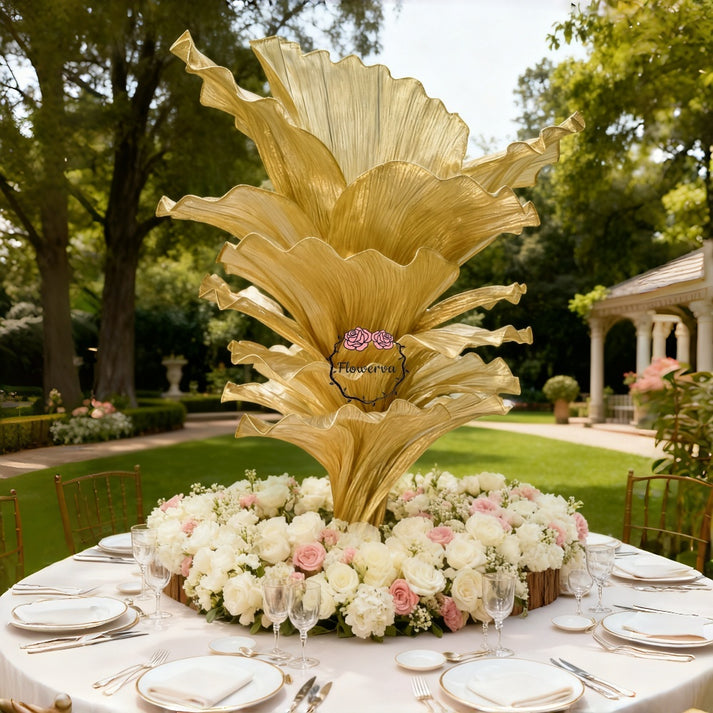
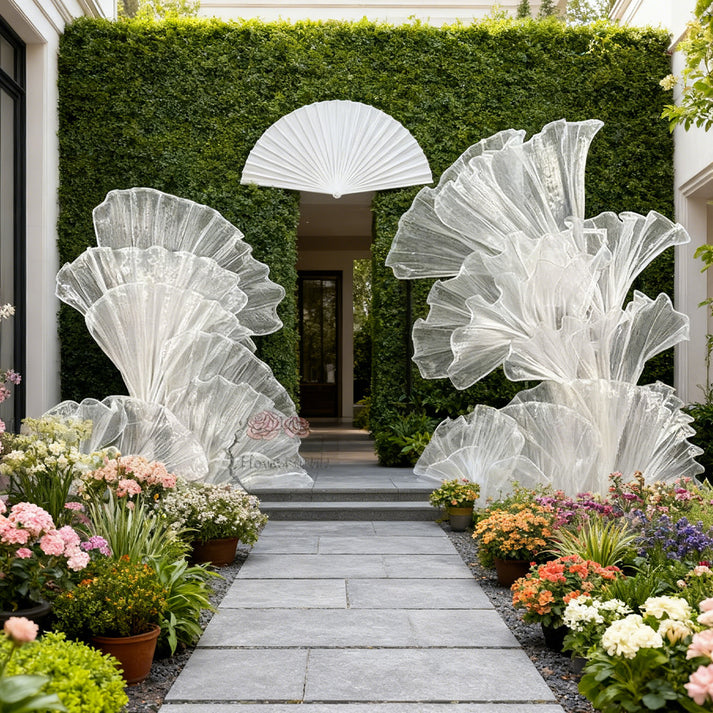
Design directions centered on fabric flowers reflect this shift. By reducing dependence on replacement, they separate aesthetics from constant update cycles. Practices such as Flowerva focus on continued use rather than momentary attention.
What Comes After Disposable Aesthetics
Fatigue toward disposable aesthetics may not mark an endpoint, but a point of recalibration. It suggests longer cycles, lower consumption, and a more careful relationship with time in both design and decision-making.
Within this framework, aesthetics are no longer required to constantly justify their presence—they are allowed to remain.